Tell us about the job
Takes about a minute. No obligation.
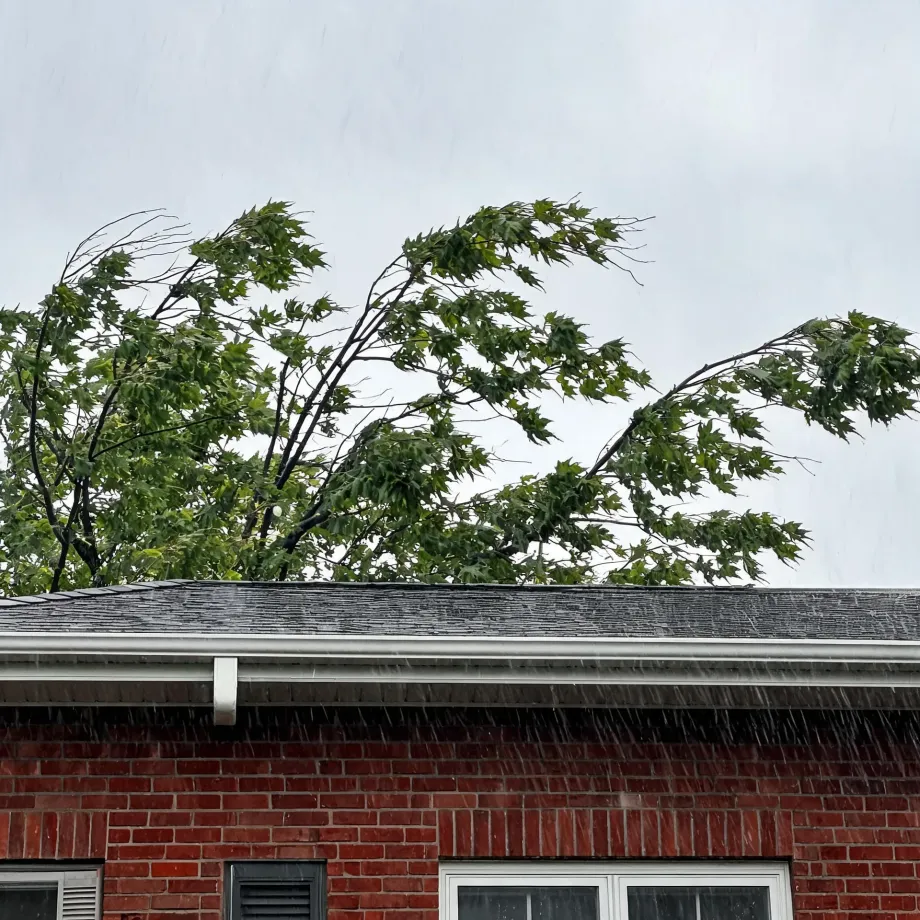
A heat pump in Waynesboro that needs repair is more likely failing because of age or skipped maintenance than because of what the weather has put it through. 36 severe weather events were recorded in Waynesboro city, Virginia between 2015 and 2024. At that rate, severe weather is an event here, not a steady operating condition, and a contractor working a repair call will look first at the compressor's wear, the refrigerant charge, and the condition of electrical contacts before crediting the climate with the damage. The weather record is real. It just does not carry much explanatory weight when a system breaks down.
Half the homes in Waynesboro city, Virginia were built in 1969 or earlier (2020-2024 ACS 5-year). A heat pump in a house that age has been through enough heating and cooling seasons that the repair story is written inside the unit, not on the permit. The reversing valve, the capacitors, the refrigerant lines each show wear at their own rate, and what a contractor finds when the cabinet comes off sets the scope. Parts availability for equipment running in stock this old is a real variable, and a thorough diagnosis settles which components are still serviceable before any other decision gets made.
The Parts of a Heat Pump a Contractor Checks First
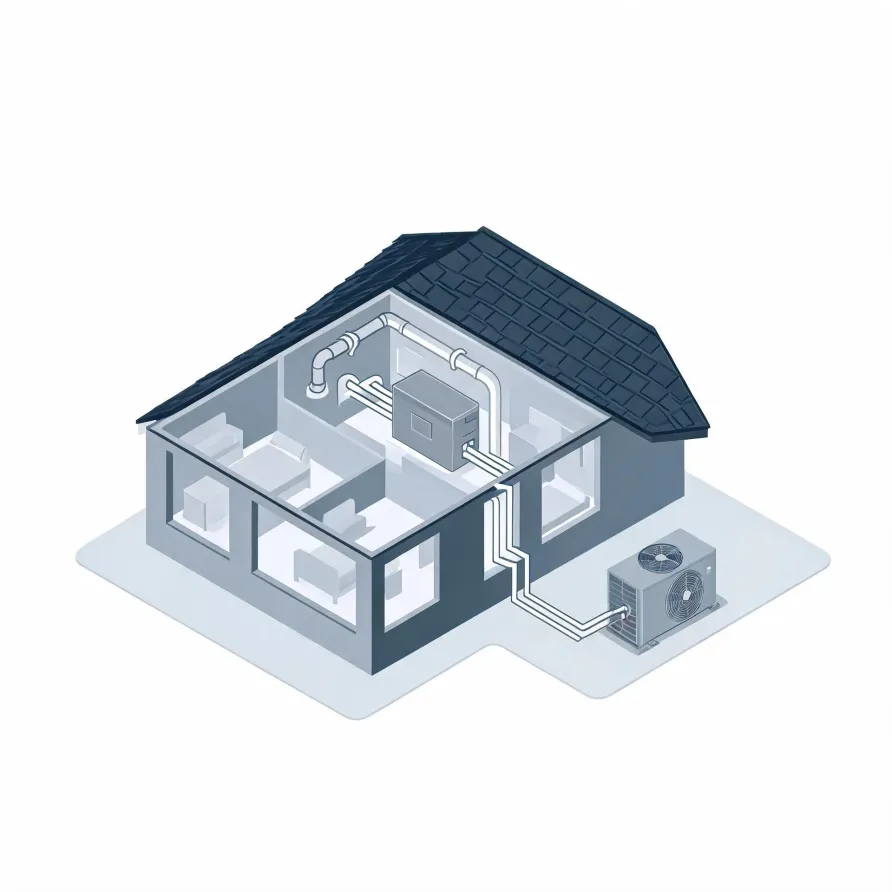
The outdoor unit is the piece most homeowners recognize, a metal cabinet sitting on a pad beside the house that holds the compressor and the outdoor coil. The compressor is the part contractors look at early in a repair call. When it fails, the system stops moving heat altogether. The outdoor coil sits around it, and a bent or dirty coil will send the compressor into distress.
Inside the house, the air handler holds the indoor coil and the blower fan. The indoor coil is where refrigerant does its work on the air passing through, and a leak there shows up as poor heating or cooling with no obvious outdoor cause. The blower fan pushes conditioned air into the home, and a failed motor or worn belt means the system runs but nothing moves. The refrigerant lines connect the two units, and the reversing valve inside the system is what lets a heat pump both heat and cool, making it a point of interest when the system works in one mode but not the other.
The drawing shows the general layout of a heat pump system, and a licensed contractor determines which components apply and need attention in your specific home.
Get matched in Waynesboro cityWaynesboro by the Numbers
36 severe weather events were recorded in Waynesboro city, Virginia between 2015 and 2024.
NOAA National Centers for Environmental Information, Storm Events Database, bulk CSV export, events 2015-01-01 through 2024-12-31.Half the homes in Waynesboro city, Virginia were built in 1969 or earlier (2020-2024 ACS 5-year).
U.S. Census Bureau, 2020-2024 American Community Survey 5-Year EstimatesWaynesboro city, Virginia holds 10,510 housing units (2020-2024 ACS 5-year).
U.S. Census Bureau, 2020-2024 American Community Survey 5-Year EstimatesOwners occupy 59.9% of the occupied homes in Waynesboro city, Virginia (2020-2024 ACS 5-year).
U.S. Census Bureau, 2020-2024 American Community Survey 5-Year EstimatesHeat Pump Repair Rules for Waynesboro city, Virginia2 codes, standards & statutes
Licensing and Legal Requirements in Waynesboro city, Virginia
Virginia’s contractor licence classes start above $1,000: the entry class covers a single contract or project over $1,000 but less than $30,000, or less than $250,000 of work in any 12-month period, with larger classes above that.
Virginia requires a contractor licence: no person may engage in, or offer to engage in, contracting work in the Commonwealth without one.
Severe Weather Events in Waynesboro city
Extreme weather puts real strain on heat pump systems, which have to work harder to move heat when outdoor conditions shift sharply. How much pressure that puts on equipment in Waynesboro is a local question, and the record below reflects what this area has actually seen.
36 severe weather events, 2015–2024. Source: NOAA National Centers for Environmental Information, Storm Events Database.