Tell us about the job
Takes about a minute. No obligation.
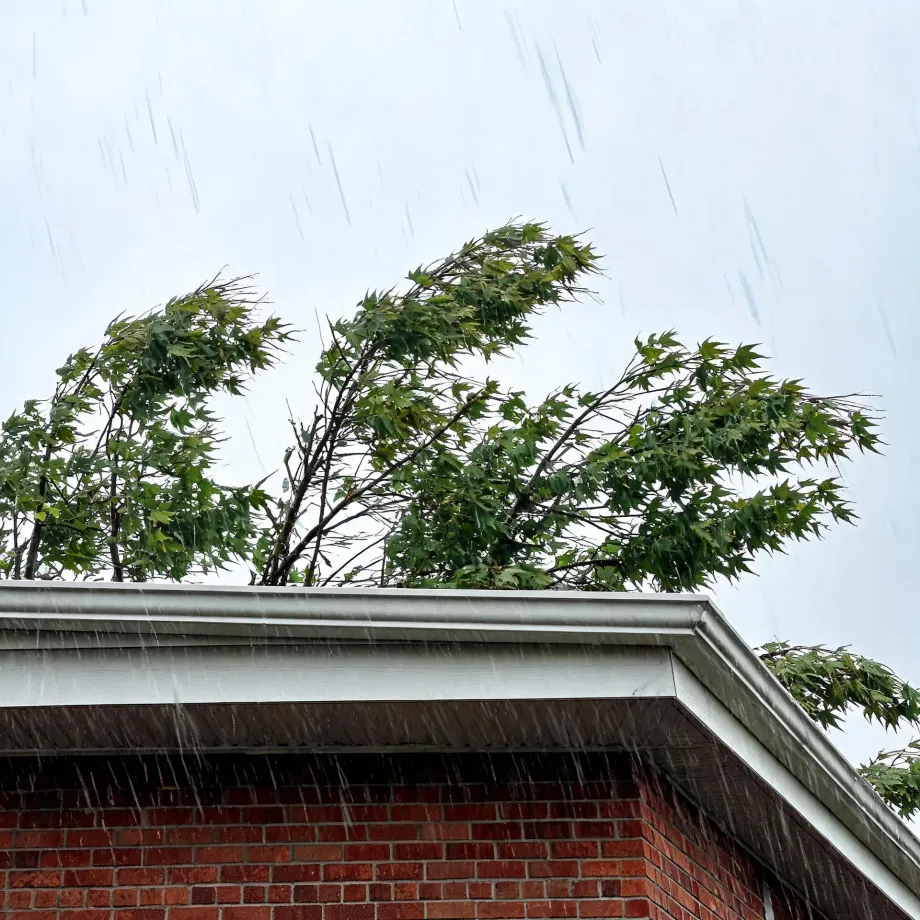
A heat pump in this area accumulates wear differently than one sitting in a quieter climate. 170 severe weather events were recorded in Frederick County, Virginia between 2015 and 2024. At that rate, severe weather is a regular operating condition here, not an occasional interruption, and the refrigerant circuit, compressor bearings, and reversing valve all carry that load over years. When a contractor opens a system for a repair diagnosis, the wear pattern inside typically points to cumulative mechanical stress rather than any discrete event. That shapes both what they check first and how they price the work.
Half the homes in Frederick County, Virginia were built in 1996 or earlier (2020-2024 ACS 5-year). A heat pump running in a house from that era was likely installed well after the house itself went up, but the refrigerant lines, electrical connections, and control wiring it relies on were often retrofitted into spaces built for something different. When a contractor opens a system of that age, the question is whether the compressor, reversing valve, or capacitor it takes are still in production and available to order. Some are. Some require sourcing from secondary suppliers at longer lead times. That gap between what a system needs and what a parts supplier can ship the same week is what shapes the repair scope here.
The Parts of a Heat Pump a Contractor Checks First
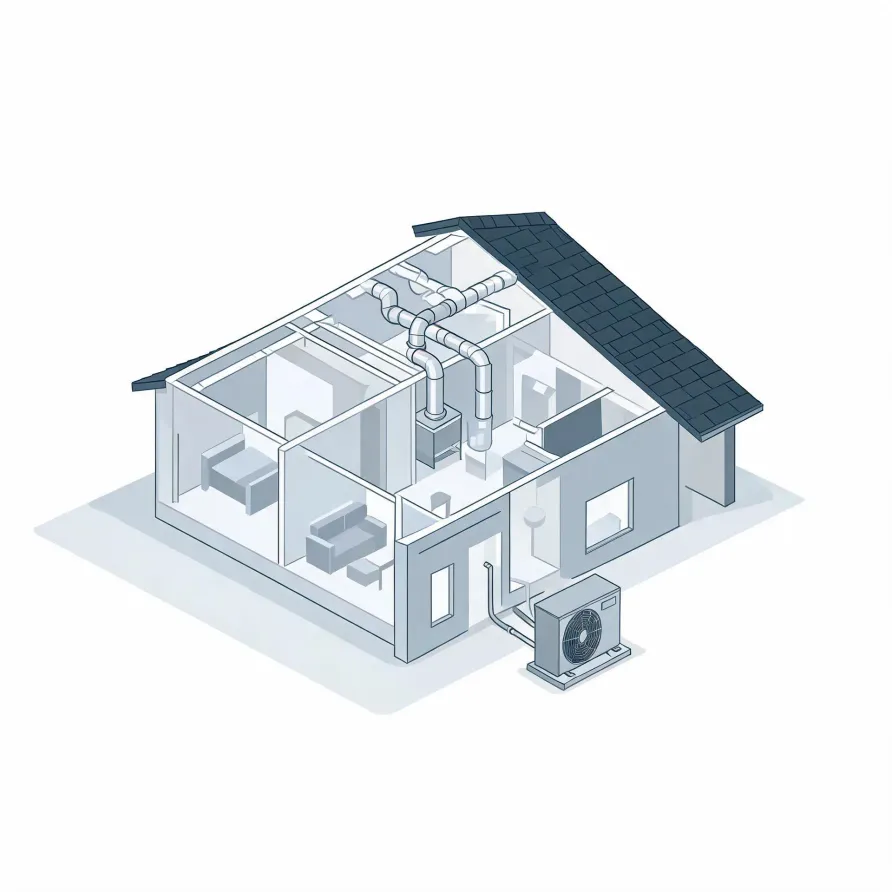
The outdoor unit sits outside the house and holds the compressor and the condenser coil. These are the parts a contractor reaches first when a heat pump stops heating or cooling properly. A failed compressor, a refrigerant leak at the coil, or a seized fan motor in that cabinet are the common reasons a system loses its ability to do its job.
The air handler lives inside, usually in a utility closet, attic, or basement, and contains the blower fan and the evaporator coil. The reversing valve, which tells the system which direction to work, sits in the outdoor unit and is a frequent focus when a heat pump runs but delivers the wrong temperature. The refrigerant lines that connect both units and the expansion valve that controls flow through the indoor coil round out what a contractor traces when diagnosing a problem.
The drawing shows a general layout of these components, and a licensed contractor determines what applies to the specific equipment and configuration in your home.
Get matched in Frederick CountyFrederick County, Virginia, by the numbers
170 severe weather events were recorded in Frederick County, Virginia between 2015 and 2024.
NOAA National Centers for Environmental Information, Storm Events Database, bulk CSV export, events 2015-01-01 through 2024-12-31.Half the homes in Frederick County, Virginia were built in 1996 or earlier (2020-2024 ACS 5-year).
U.S. Census Bureau, 2020-2024 American Community Survey 5-Year EstimatesFrederick County, Virginia holds 37,288 housing units (2020-2024 ACS 5-year).
U.S. Census Bureau, 2020-2024 American Community Survey 5-Year EstimatesOwners occupy 79.3% of the occupied homes in Frederick County, Virginia (2020-2024 ACS 5-year).
U.S. Census Bureau, 2020-2024 American Community Survey 5-Year EstimatesRules & Standards Governing Heat Pump Repair in Frederick County, Virginia2 sourced rules and standards
What Frederick County, Virginia Requires for HVAC Repair Work
Virginia’s contractor licence classes start above $1,000: the entry class covers a single contract or project over $1,000 but less than $30,000, or less than $250,000 of work in any 12-month period, with larger classes above that.
Virginia requires a contractor licence: no person may engage in, or offer to engage in, contracting work in the Commonwealth without one.
Weather Events in Frederick County That Put Heat Pumps to Work
Heat pumps respond to what the weather demands of them, and in Frederick County that demand is local and specific. How hard a system works, and how often it needs repair, follows directly from the conditions it runs in.
170 severe weather events, 2015–2024. Source: NOAA National Centers for Environmental Information, Storm Events Database.