Tell us about the job
Takes about a minute. No obligation.
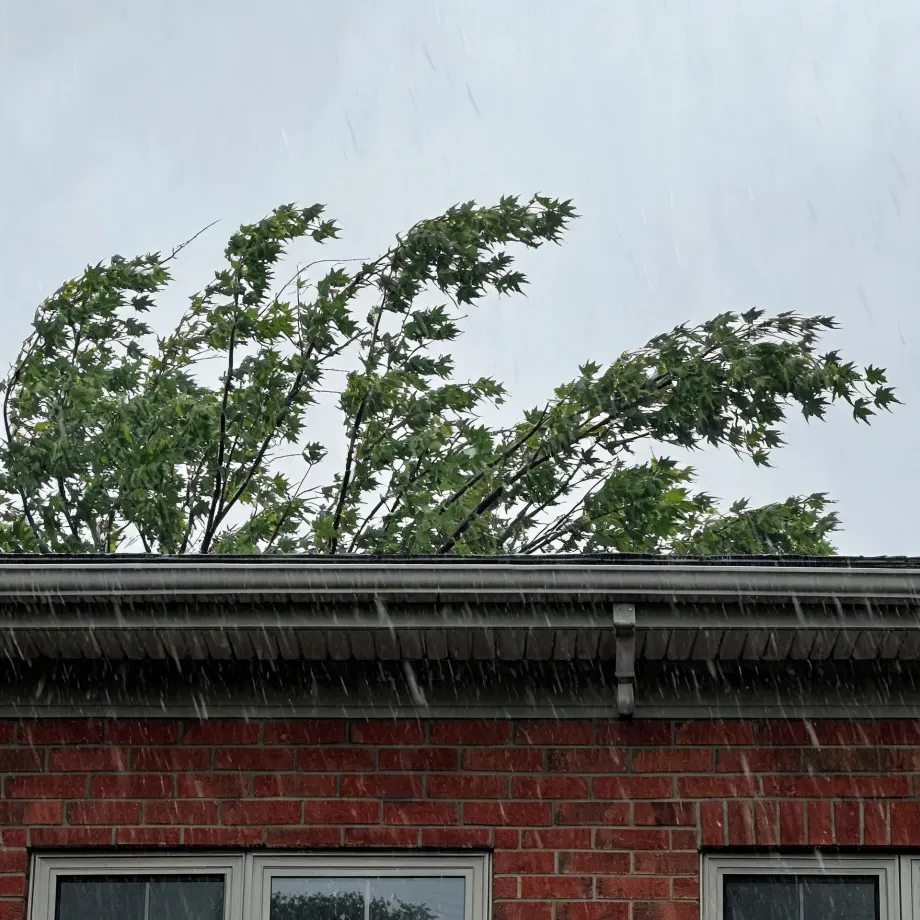
A contractor quoting heat pump repair in Westmoreland County has to settle one question before anything else: why this part, and why now. 64 severe weather events were recorded in Westmoreland County, Virginia between 2015 and 2024. At that rate, severe weather is an occasional fact of life here, not a grinding condition that wears components down ahead of schedule. What explains a failed reversing valve or a struggling compressor in this county is far more likely to be the age of the unit, the quality of the original installation, or how consistently it has been serviced. A contractor worth hiring will open the system and trace the actual failure rather than reach for the weather as an explanation.
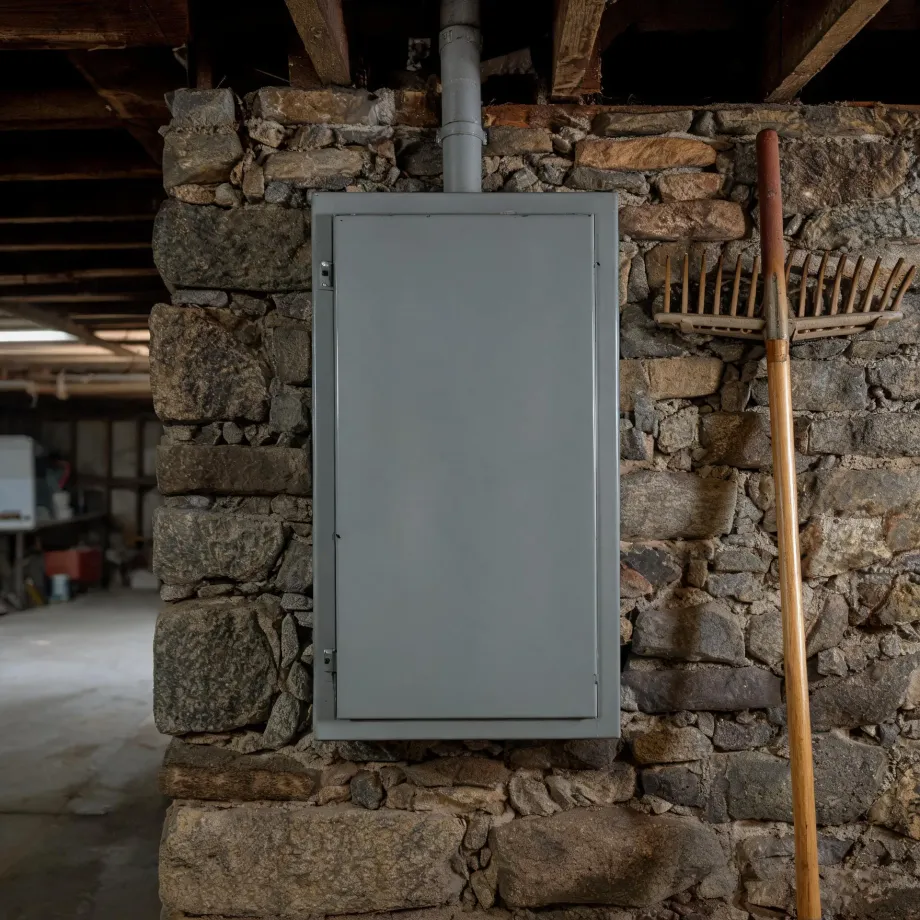
Stock built by the early nineteen-eighties was running something else before heat pumps became common in this region, which means the equipment inside these houses has been swapped at least once, and the repair history behind any given unit is rarely clean. Half the homes in Westmoreland County, Virginia were built in 1984 or earlier (2020-2024 ACS 5-year). A contractor opening a heat pump in a house like this has to establish what generation of equipment is actually in front of them, because parts availability narrows sharply for older refrigerant systems and discontinued control boards. A unit that looks serviceable from the outside can have components that are no longer stocked, and that finding changes the repair path entirely.
The Parts of a Heat Pump a Contractor Checks First
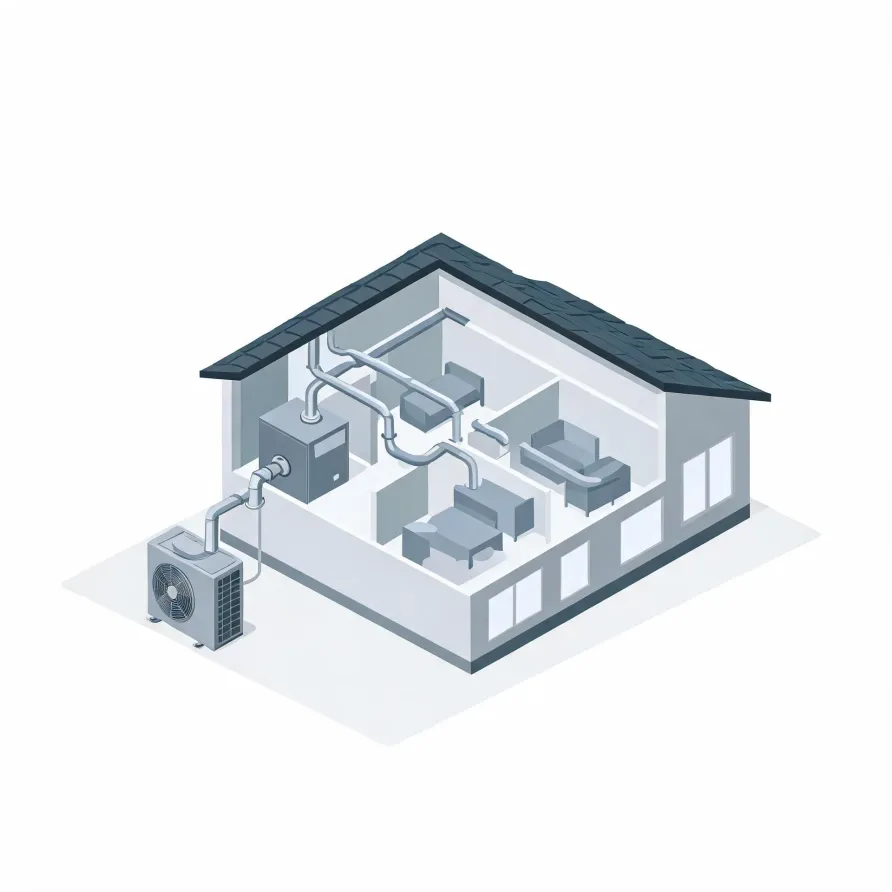
The outdoor unit sits outside the house and holds the compressor and the condenser coil. These are the pieces a contractor reaches first when a heat pump stops heating or cooling properly. The compressor is the most worked component in the system, and the condenser coil is where refrigerant releases or absorbs heat depending on the season.
Inside the house, the air handler contains the evaporator coil and the blower fan, which moves conditioned air through the home. The expansion valve and the refrigerant lines that connect the two units are also common points of failure, and a contractor will check pressures and line condition alongside the electrical contacts and the reversing valve that switches the system between heating and cooling modes.
The drawing shows the general layout of a heat pump system, and a licensed contractor determines which components apply to the specific setup in your house.
Get matched in Westmoreland CountyWestmoreland County, by the numbers
64 severe weather events were recorded in Westmoreland County, Virginia between 2015 and 2024.
NOAA National Centers for Environmental Information, Storm Events Database, bulk CSV export, events 2015-01-01 through 2024-12-31.Half the homes in Westmoreland County, Virginia were built in 1984 or earlier (2020-2024 ACS 5-year).
U.S. Census Bureau, 2020-2024 American Community Survey 5-Year EstimatesWestmoreland County, Virginia holds 11,448 housing units (2020-2024 ACS 5-year).
U.S. Census Bureau, 2020-2024 American Community Survey 5-Year EstimatesOwners occupy 80.1% of the occupied homes in Westmoreland County, Virginia (2020-2024 ACS 5-year).
U.S. Census Bureau, 2020-2024 American Community Survey 5-Year EstimatesCodes & Standards Governing Heat Pump Repair in Westmoreland County, Virginia2 sourced rules and standards
Licensing Rules for HVAC Repair in Westmoreland County, Virginia
Virginia’s contractor licence classes start above $1,000: the entry class covers a single contract or project over $1,000 but less than $30,000, or less than $250,000 of work in any 12-month period, with larger classes above that.
Virginia requires a contractor licence: no person may engage in, or offer to engage in, contracting work in the Commonwealth without one.
Weather Stress on HVAC Equipment in Westmoreland County
Heat pumps work against outdoor conditions year-round, and the harder those conditions swing, the harder the equipment works. How often Westmoreland County sees severe weather is a direct measure of the load local systems carry.
64 severe weather events, 2015–2024. Source: NOAA National Centers for Environmental Information, Storm Events Database.