Tell us about the job
Takes about a minute. No obligation.
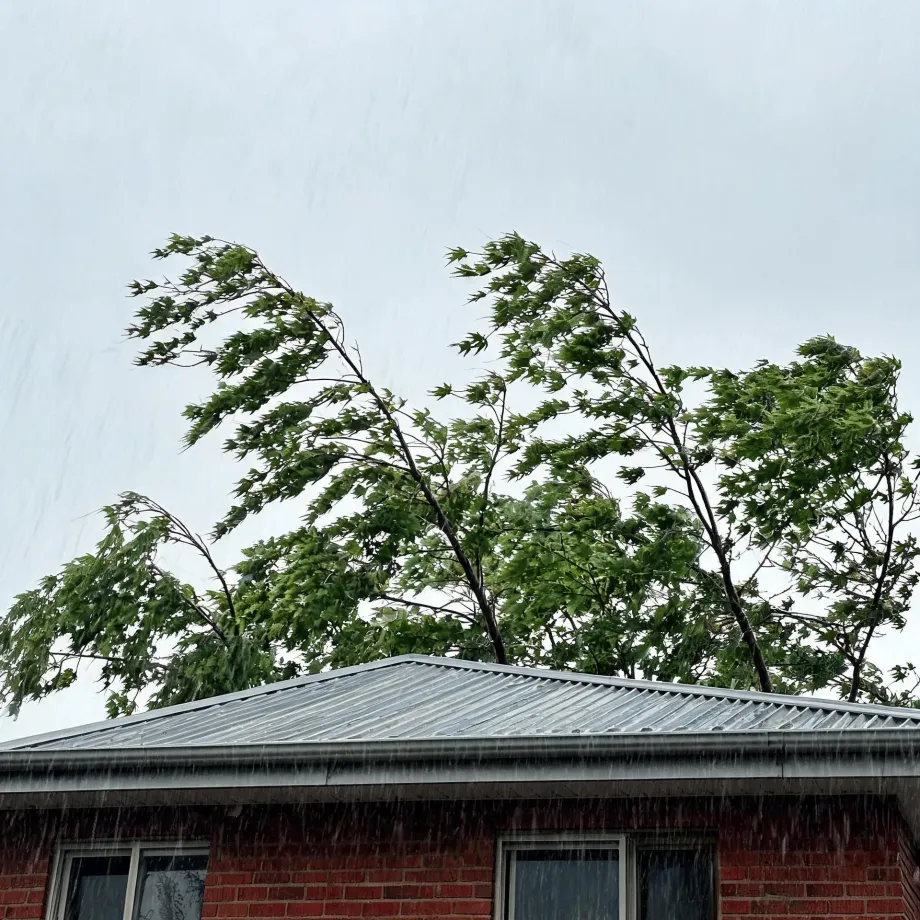
A contractor quoting a heat pump installation in Clarke County has to account for what the local climate actually asks of the equipment, and the answer is neither trivial nor punishing. 106 severe weather events were recorded in Clarke County, Virginia between 2015 and 2024. At roughly the national midpoint, that record puts Clarke County in the company of places where severe weather is a real operating variable but not a dominant one. What that means for installation work is specific: a contractor setting refrigerant charge, specifying backup heat, or selecting an outdoor unit rated for temperature swings here is making decisions the local climate shapes, but the quality of the installation itself determines more of the long-term outcome than weather resilience does.
Ductwork sized and routed for older forced-air systems shapes what a heat pump installation actually requires in this county. Half the homes in Clarke County, Virginia were built in 1980 or earlier (2020-2024 ACS 5-year). Equipment laid out for that generation of heating moves air differently than a heat pump does, and ducts that handled the old load well can restrict the new one or distribute it unevenly through the house. A contractor assessing the job opens the system up, measures what the existing ductwork will carry, and works from that before anything else gets priced.
What Gets Installed With a New Heat Pump
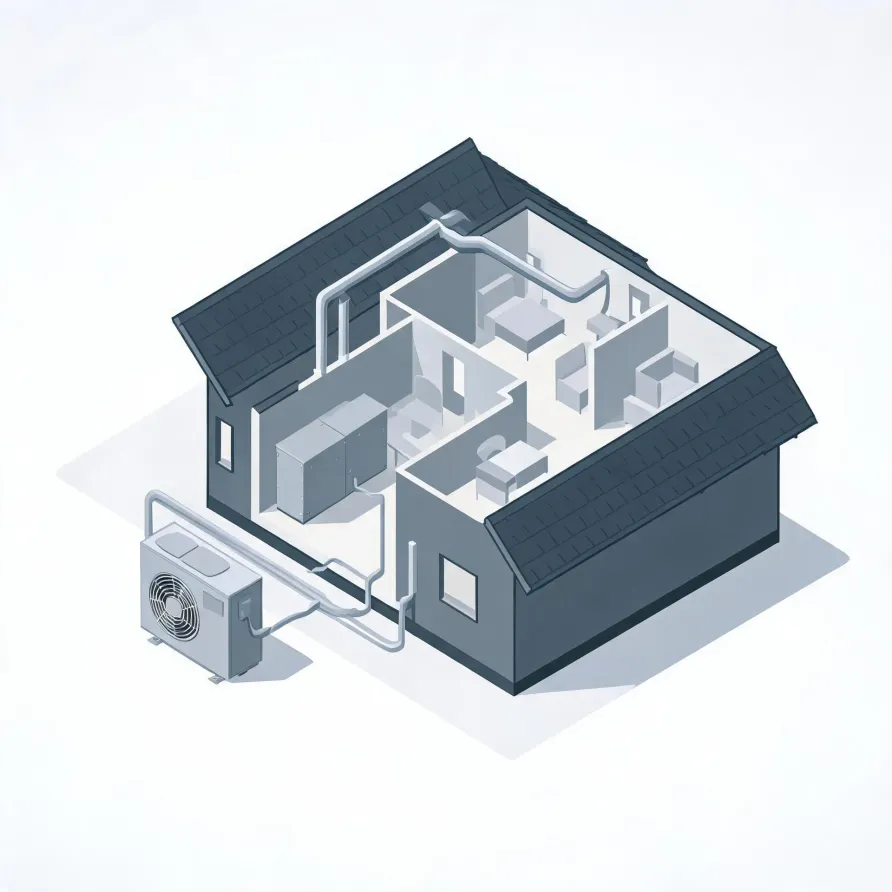
The outdoor unit is the piece most homeowners see first. It sits on a pad beside the house and holds the compressor and the outdoor coil, which together do the core work of moving heat between inside and outside. Inside, the air handler mounts in a closet, attic, or basement and pushes conditioned air through the home.
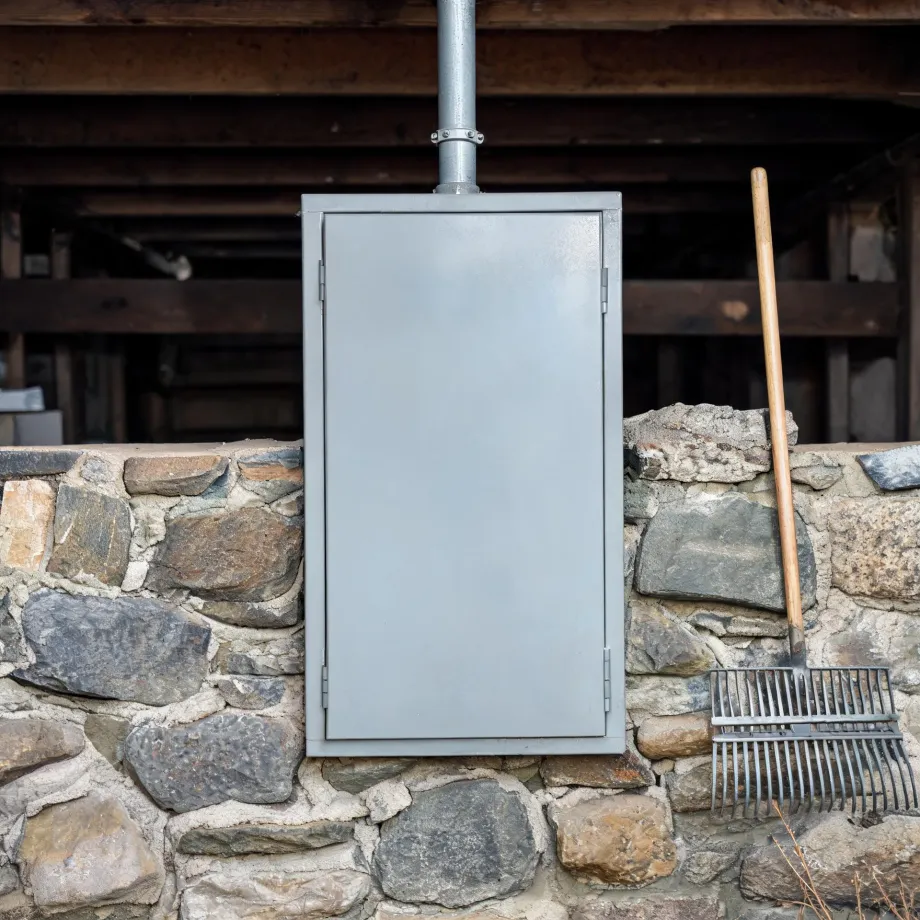
A refrigerant line set runs between the two units, carrying the fluid that links them. The thermostat goes on an interior wall where it reads the home's temperature and tells the system when to run. A disconnect box mounts near the outdoor unit as a local shutoff point for the equipment.
The drawing shows a typical layout, and a licensed contractor determines exactly how each piece fits into your particular house.
Find a contractor in Clarke CountyClarke County, Virginia, by the numbers
106 severe weather events were recorded in Clarke County, Virginia between 2015 and 2024.
NOAA National Centers for Environmental Information, Storm Events Database, bulk CSV export, events 2015-01-01 through 2024-12-31.Half the homes in Clarke County, Virginia were built in 1980 or earlier (2020-2024 ACS 5-year).
U.S. Census Bureau, 2020-2024 American Community Survey 5-Year EstimatesClarke County, Virginia holds 6,553 housing units (2020-2024 ACS 5-year).
U.S. Census Bureau, 2020-2024 American Community Survey 5-Year EstimatesOwners occupy 81.5% of the occupied homes in Clarke County, Virginia (2020-2024 ACS 5-year).
U.S. Census Bureau, 2020-2024 American Community Survey 5-Year EstimatesCodes & Standards Governing Heat Pump Installation in Clarke County, Virginia2 sourced rules and standards
Licensing Rules for Clarke County, Virginia
Virginia’s contractor licence classes start above $1,000: the entry class covers a single contract or project over $1,000 but less than $30,000, or less than $250,000 of work in any 12-month period, with larger classes above that.
Virginia requires a contractor licence: no person may engage in, or offer to engage in, contracting work in the Commonwealth without one.
Severe Weather Events in Clarke County
How hard a heat pump works is shaped by the climate it operates in, and climate here means more than average temperatures. Storms, pressure swings, and extreme cold or heat all drive demand on the equipment, which is why local weather history is part of sizing and installing a system that holds up.
106 severe weather events, 2015–2024. Source: NOAA National Centers for Environmental Information, Storm Events Database.